
SGP uses a combination of best practices drawn from traditional strategic gaming and cutting-edge technological realism enhancements. As vehicles for these techniques, SGP principally employs demonstrated game frameworks along with those in development by the team. Beyond this, game design is one of the SGP team’s core skill sets, and client collaboration is a must to determine the mechanisms that will explore the phenomena of interest, resonate with participants, and yield useful insights.
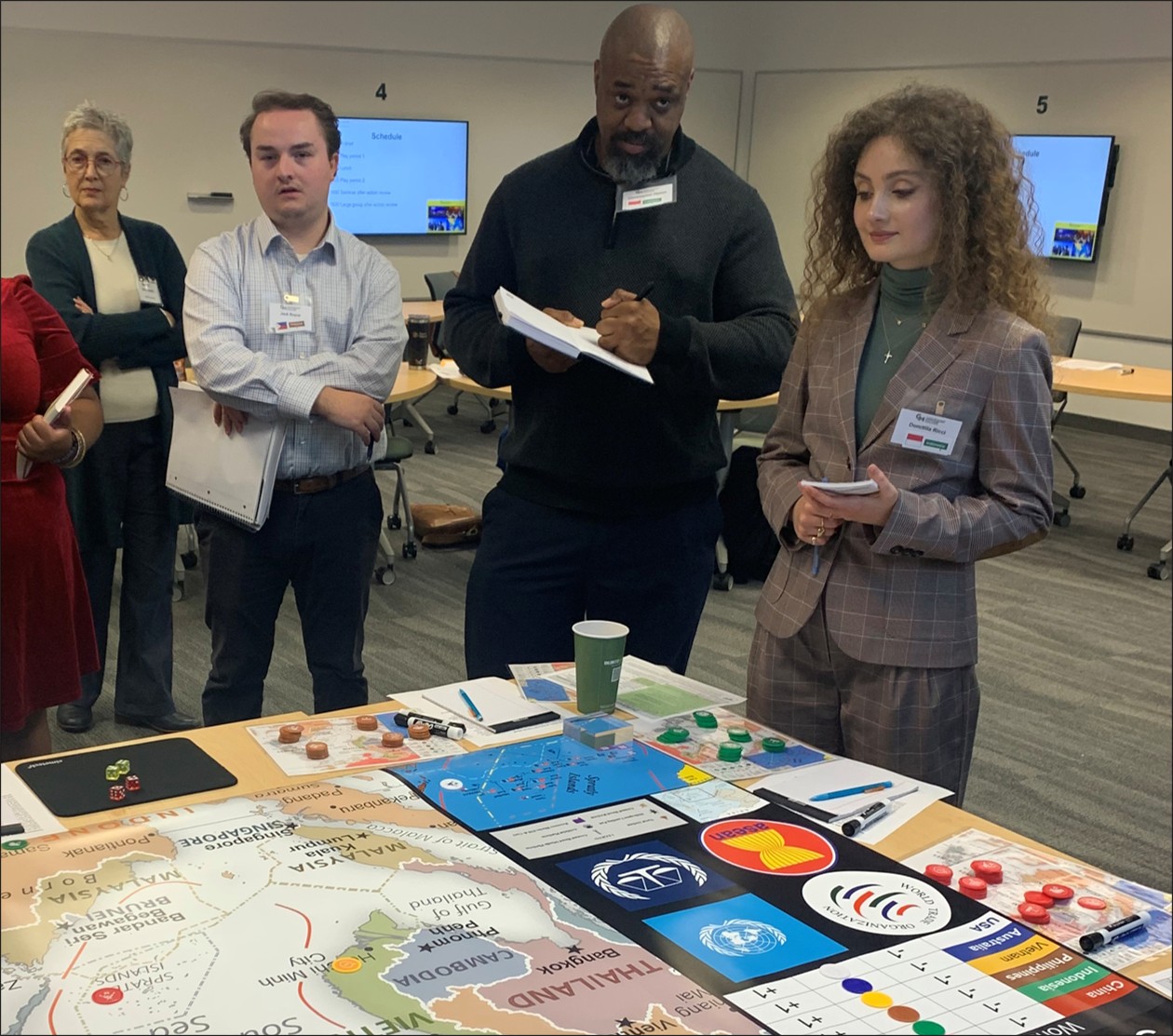
Matrix Games
Moving away from rigid algorithms, these exercises rely on structured argumentation to play out crisis scenarios past an unthinkable catalyst. Participants explore the strategic logic of crises at the system level and seek to justify their actions based on credibility and resources, replicating the persuasive demands of actual negotiation and coalition-building.
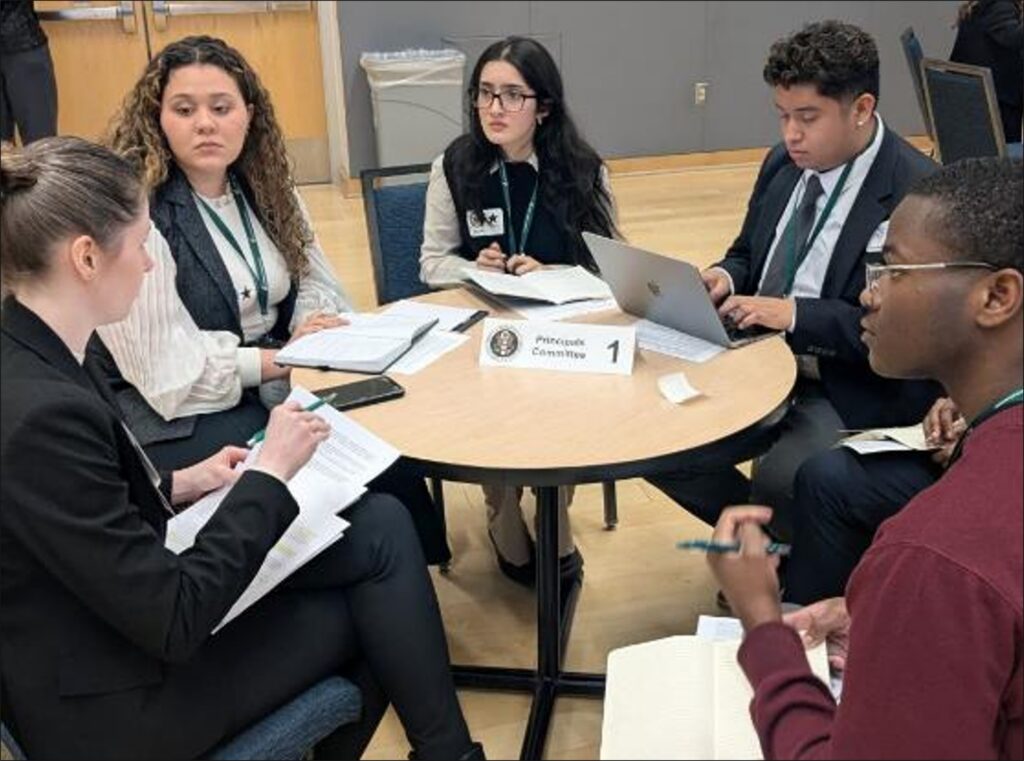
Policy Process Simulations
These constructs emphasize the internal bureaucratic friction of a single international organization, national government, or a critical sub-national governmental unit or agency confronted with a crisis. Participants seek to navigate resource territoriality, competing incentives, and information silos.
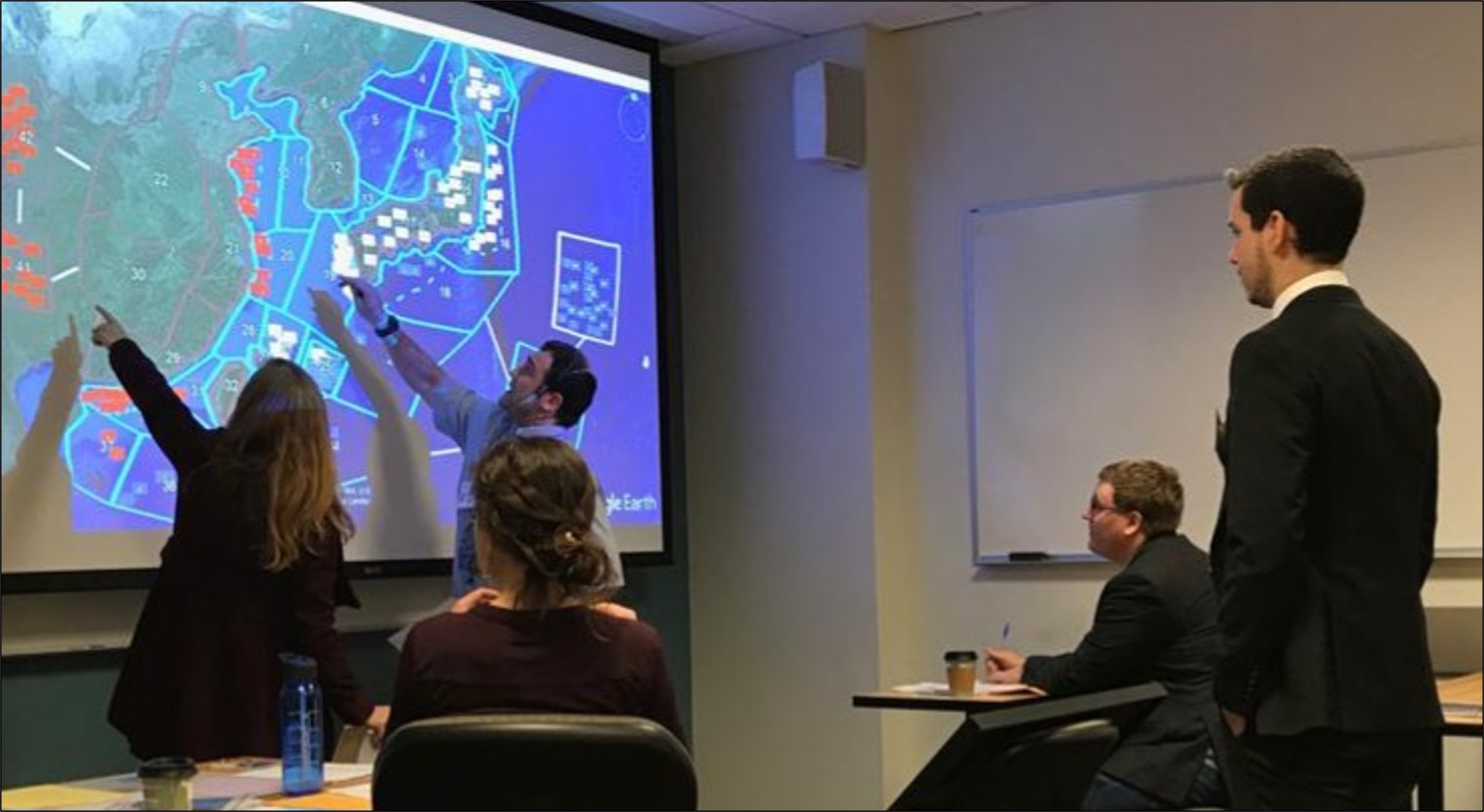
Situational Awareness Exercises
By isolating teams and strictly controlling information flow, these immersive, high-production value simulations replicate the “fog of war“ that applies equally to competition and conflict as it might to an energy crisis or the outbreak of a potential pandemic. Participants step into the roles of key decisionmakers confronted with elaborate, realistic information arrays and the pressure to collaborate and act.
Can strategic gaming support your analysis, education, or training goals? Submit a request!